Everything You Need to Know About Water
Learn how hydration impacts energy, cognition, and health. Discover how much water you need, quality matters, and signs of dehydration.
Primary care, functional medicine, and wellness. All under one roof. We're built for your best not your baseline.
Learn MoreMost people underestimate how much water shapes the way they feel, think, and perform. Here's the science and how to get it right.
When wellness conversations turn to optimization, the focus tends to land on sleep, nutrition, movement, and stress. Hydration rarely gets top billing. Yet water is involved in nearly every physiological process your body runs and when you're even mildly deficient, everything from your energy to your cognitive clarity to your skin begins to suffer.
This isn't about drinking eight glasses a day and calling it done. It's about understanding what water actually does in the body, recognizing when you're falling short, and making deliberate choices about what and how you drink.
What Water Actually Does in Your Body
Water is not a passive substance. It's an active participant in your biology. A few of its most critical roles:
Structural integrity. Water helps form the physical structure of macromolecules, including proteins and carbohydrates, that are essential to cellular function.
Nutrient transport. It acts as the body's primary solvent, moving glucose, amino acids, and vitamins through the bloodstream and into cells.
Digestion and absorption. Adequate hydration allows your digestive system to break down food efficiently and extract nutrients effectively.
Temperature regulation. Sweat is your body's cooling mechanism and sweat is mostly water. This becomes especially critical during exercise or heat exposure.
Waste elimination. Your kidneys depend on sufficient fluid to filter toxins and produce urine. Poor hydration stresses the system.
Energy, mood, and mental performance. Even mild dehydration, as little as 1–2% of body weight in fluid loss, has been shown to impair concentration, elevate perceived effort during exercise, and worsen mood.
The bottom line: if you're not well hydrated, your body is operating at a deficit, even if you don't feel overtly thirsty.
How Much Do You Actually Need?
There's no universal answer, but a useful baseline is half your body weight (in lbs) in ounces per day. At 150 lbs, that's 75 oz, roughly 9 to 10 cups. Calculate your personal needs here.
Your individual needs shift based on:
- Activity level and sweat rate
- Body composition
- Climate and environment
- Health status, medications, or specific conditions
- Pregnancy or breastfeeding
Think of this number as a floor, not a ceiling. If you're training hard, spending time in heat, or recovering from illness, your needs will be higher. One of our registered dietitians at The Lanby can help you dial in a personalized target.
Does Water Quality Matter?
Yes and more than most people consider. Here's an honest breakdown of the most common options:
Tap Water
New York City tap water meets EPA safety standards and is among the better municipal supplies in the country. That said, "safe" and "optimal" aren't the same thing. Aging infrastructure can introduce trace amounts of lead, and residual chlorine from treatment remains present. It's a reasonable baseline, but worth upgrading.
Filtered Water
A quality filtration system is one of the most straightforward investments you can make in your daily health. A good filter reduces lead, removes chlorine byproducts, and meaningfully improves taste. Systems like Berkey and Aquatru, and are well-regarded for their comprehensive filtration across a wide range of contaminants.
Plastic Bottled Water
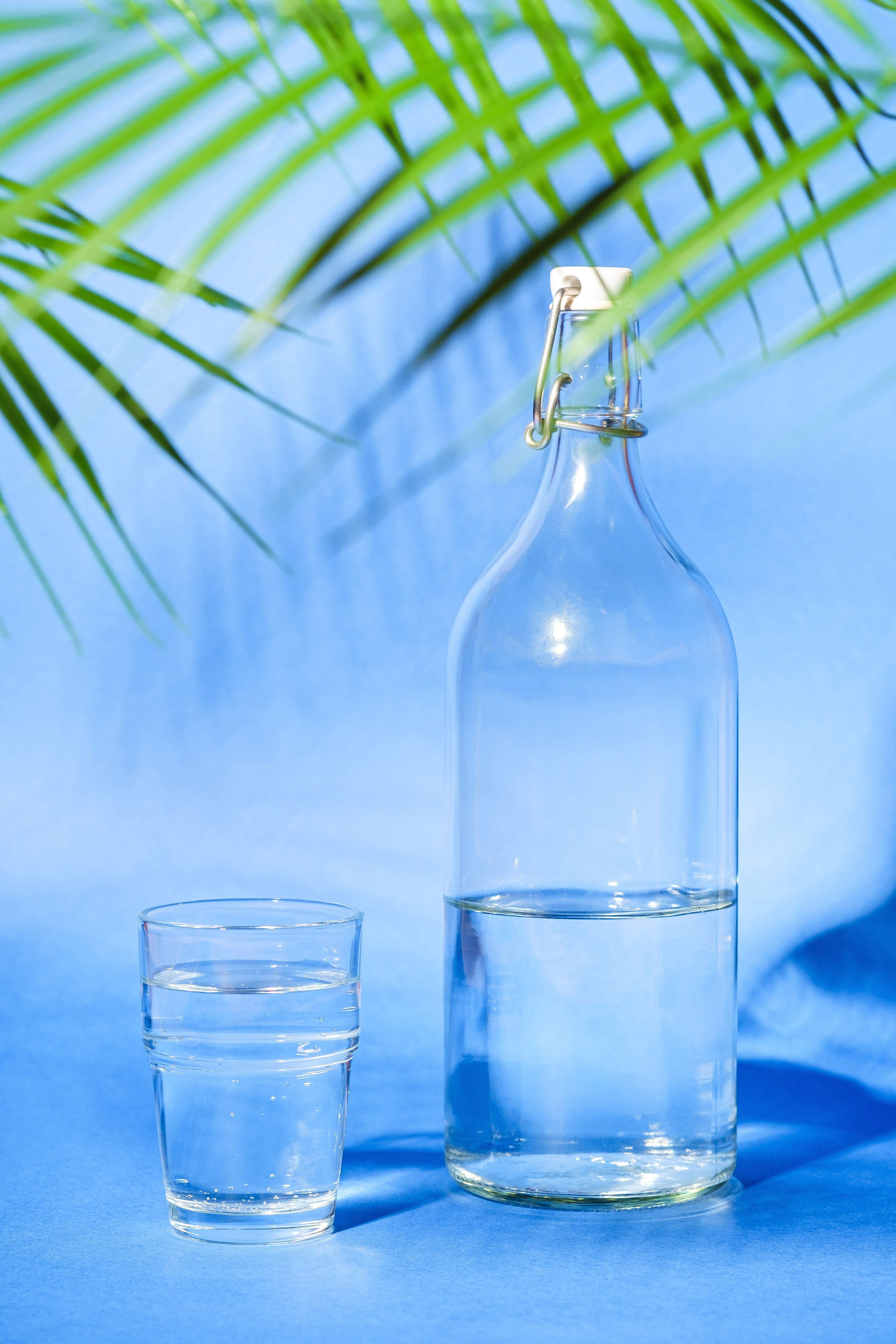
Convenient, but worth ditching as a daily habit. Research has linked plastic bottles to microplastic contamination, particularly when bottles are exposed to heat or stored for extended periods. Microplastics have been associated with oxidative stress, inflammation, and potential endocrine disruption. For regular use, a reusable glass bottle is a smarter long-term choice. Bink makes a well-designed option and if you're a member at The Lanby, you already have one waiting for you. A glass water bottle is one of the member perks we actually think you'll use every day.
Alkaline Water
Alkaline water is marketed on the premise that its higher pH can neutralize acidity in the body. The appeal is intuitive, but the evidence doesn't support it. A randomized controlled trial found no meaningful difference between alkaline and neutral water on markers like glucose metabolism or gut microbiome composition. Save your money unless new research changes the picture.
Hydrogen Water
The most interesting emerging option. Hydrogen-infused water contains dissolved molecular hydrogen, which research suggests may act as a selective antioxidant, potentially reducing oxidative stress and inflammation. Early findings are promising, particularly for adults over 30, but larger clinical trials are still needed. Worth watching; not yet a definitive recommendation.
Signs You May Be Under-Hydrated
Your body communicates hydration needs clearly, once you know what to look for:
- Persistent fatigue or low energy
- Frequent headaches
- Difficulty concentrating or mental fog
- Dry mouth or lips
- Dull, dry, or congested skin
- Constipation or sluggish digestion
- Dark yellow urine
Mood, sleep quality, and physical performance are also meaningfully affected by hydration status, often before any of the above symptoms appear. Urine color is one of the simplest daily checks: pale yellow is the target; deep yellow or amber signals a need for more fluids.
Hydration Beyond the Glass
Water intake doesn't have to come exclusively from drinking. Many whole foods contribute meaningfully to your daily fluid needs with the added benefit of fiber, vitamins, and minerals.
High-water-content foods to incorporate regularly:
- Cucumber, celery, and zucchini
- Watermelon, strawberries, and cantaloupe
- Tomatoes and bell peppers
- Leafy greens like spinach and romaine
Unsweetened beverages, sparkling water, herbal teas, milk, and electrolyte drinks also count toward your daily totals. If plain water feels uninspiring, infusing it with fruit or herbs is an effortless way to make it more enjoyable and keep intake consistent.
When to Be More Intentional
A few key moments to increase your focus on hydration:
Before, during, and after exercise. Don't wait until you're thirsty mid-workout, thirst is a lagging signal. Start hydrated, sip consistently, and replenish after.
During heat or humidity. Sweat losses increase significantly in warm conditions. Your baseline target isn't enough; adjust accordingly.
During illness. Fever, vomiting, and diarrhea accelerate fluid and electrolyte loss. Prioritize both water and electrolyte replenishment during recovery.
Throughout daily routines. Anchoring water intake to existing habits, a glass upon waking, with each meal, before coffee, makes consistency far easier than remembering to drink throughout the day.
The Bottom Line
Hydration is foundational, not supplemental. It underpins energy, cognition, digestion, performance, and long-term cellular health. And unlike many wellness interventions, getting it right is genuinely straightforward: drink enough quality fluids, eat water-rich whole foods, replenish electrolytes when needed, and pay attention to how your body responds.
The highest-performing version of yourself runs on more than ambition. It runs on water.
For personalized hydration guidance based on your health history, activity level, and goals, consider working with one of our Registered Dietitians at The Lanby.

Book a complimentary Discovery Call to learn about our membership, discover how your dedicated care team will support you, get your questions answered, and see if The Lanby is the right fit for you.