Oura Ring vs. Apple Watch vs. WHOOP: Which Wearable Is Right for You?
Compare Oura Ring, Apple Watch, WHOOP, Garmin, and Fitbit to understand their health tracking features and find the wearable that fits your goals.
Primary care, functional medicine, and wellness. All under one roof. We're built for your best not your baseline.
Learn MoreWearables have made it easier than ever to track aspects of our health, from sleep and daily movement to heart rate and recovery. But with so many options on the market, how do you know which device is right for you?
The best wearable isn't necessarily the one that tracks the most data. It's the one that provides useful insights into your health, supports your goals, and fits into your life. Here's how five popular options compare.
1. Oura Ring: Best for Sleep and Everyday Health
The Oura Ring is a discreet smart ring designed to track health trends without the feel of a traditional smartwatch. It monitors sleep, resting heart rate, heart rate variability (HRV), activity, and temperature trends, offering insights into sleep quality and recovery.
Best for: People interested in sleep, recovery, and understanding patterns in their everyday health without wearing a watch.
2. Apple Watch: Best All-Around Health Tracking
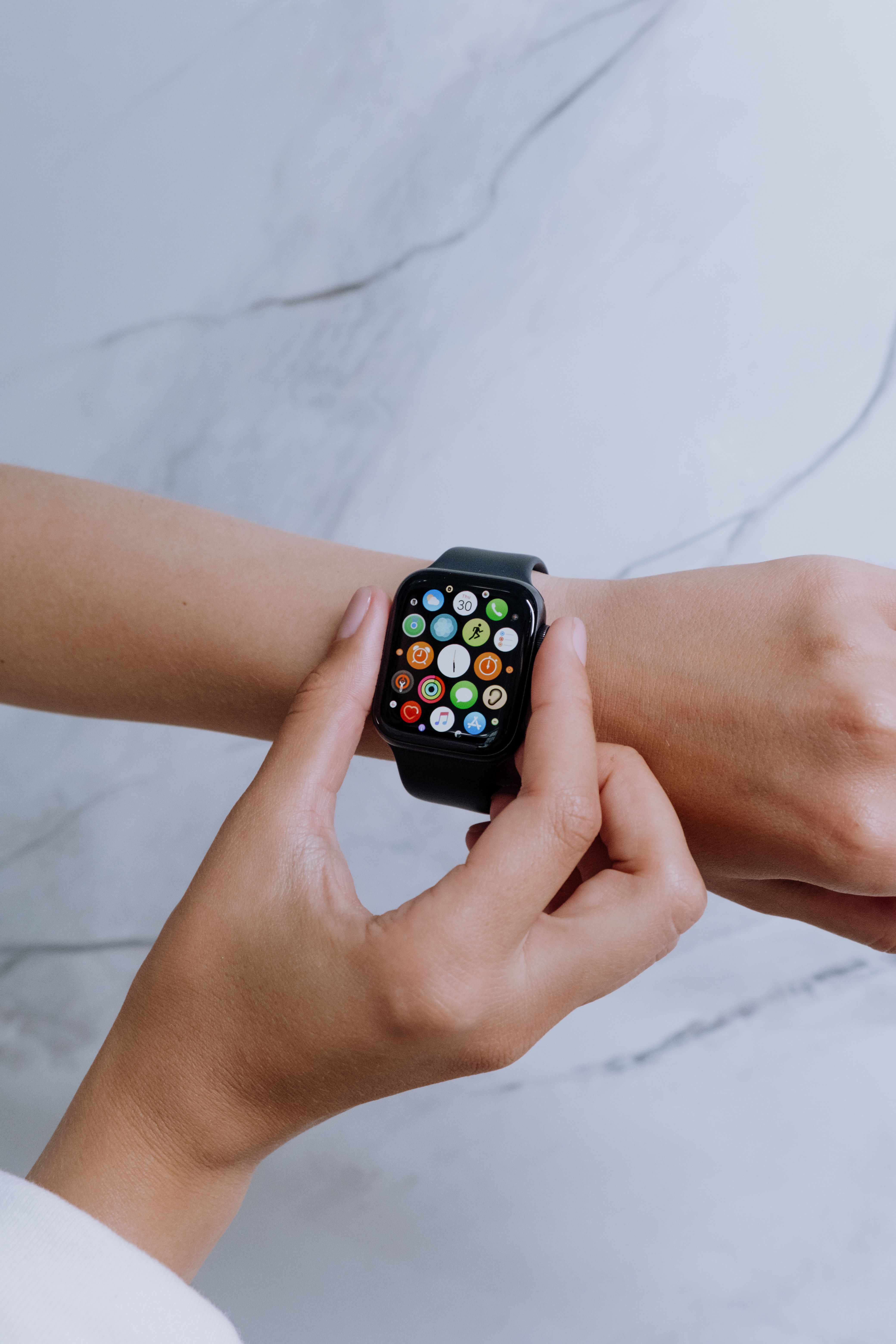
The Apple Watch combines health and fitness tracking with everyday smartwatch features. Depending on the model, it can monitor heart rate, sleep, workouts, activity, and certain heart health metrics, including ECG readings and notifications for irregular heart rhythms.
Best for: People who want health insights, fitness tracking, and everyday conveniences in one device.
3. WHOOP: Best for Recovery and Performance
WHOOP is a screen-free wearable focused on sleep, physical strain, stress, and recovery. It uses metrics such as HRV, resting heart rate, and sleep patterns to provide daily insights into how your body may be responding to exercise and lifestyle habits.
Best for: People who exercise regularly and want to better understand recovery, training intensity, and how daily habits may affect performance.
4. Garmin: Best for Fitness and Training
Garmin offers a range of fitness watches with features that vary by model. Many track workouts, GPS activity, heart rate, sleep, stress, and recovery-related metrics. Some also provide detailed training data to help users monitor performance over time.
Best for: Runners, endurance athletes, and people who want detailed exercise tracking alongside broader health insights.
5. Fitbit: Best for Everyday Activity and Sleep
Fitbit offers accessible fitness trackers and smartwatches designed to make everyday health tracking simple. Depending on the device, features include step counts, activity, heart rate, sleep patterns, and other health metrics.
Best for: People who want a straightforward way to build awareness of daily movement, sleep, and activity habits.
How to Choose the Right Wearable
Each wearable offers a different approach to health tracking. Before investing in one, consider what you actually want to learn about your health.
- Sleep and recovery: Consider Oura or WHOOP
- Everyday health and convenience: Consider Apple Watch
- Exercise and performance: Consider Garmin
- Simple activity and sleep tracking: Consider Fitbit
Remember that wearables provide estimates, not a complete picture of your health. Their metrics are most useful when viewed as trends over time, alongside how you feel and other relevant health information.
The Lanby Approach: Know Yourself First
At The Lanby, we believe health tools should support your well-being, not become another source of stress.
Wearables can be helpful for gaining a closer look at key health metrics, including sleep, movement, heart rate, and recovery. They may help you recognize patterns, understand your habits, and identify areas where small changes could make a difference.
But more data doesn't always mean better health. If tracking your metrics leads to anxiety, obsessive checking, or unnecessary worry about daily fluctuations, a wearable may do more harm than good. Your health is about more than a score, and how you feel matters, too.
The right approach starts with knowing yourself: your health history, your goals, and what helps you feel your best.
Already a member at The Lanby? Reach out to your Care Team to discuss whether a wearable makes sense for you and how to interpret the information it provides.
Not a member yet? Personalized guidance on tools, habits, and health data is part of our approach to care. We help our members make informed decisions based on their individual needs and goals, with a focus on what will make the most meaningful difference to their health.

Book a complimentary Discovery Call to learn about our membership, discover how your dedicated care team will support you, get your questions answered, and see if The Lanby is the right fit for you.