How to Support Your Child's Immunity Before Sick Season
Help strengthen your child's immune system before sick season with expert tips on gut health, nutrition, sleep, supplements, and natural immune support.
Primary care, functional medicine, and wellness. All under one roof. We're built for your best not your baseline.
Learn MoreAs the weather turns, so does the calendar of runny noses, coughs, and school notes about "something going around." It's tempting to think of your child's immune system as something that either holds up or doesn't. We see it differently: immunity is trainable. Some illness is a normal, even healthy, part of a developing immune system learning to recognize threats. But when colds keep piling up or lingering longer than they should, it's usually a sign that the foundation underneath needs more support, not that your child is simply unlucky this year.
The good news is that most of that foundation is built through ordinary daily habits, and there's still time to strengthen it before the season picks up.
It Starts In The Gut
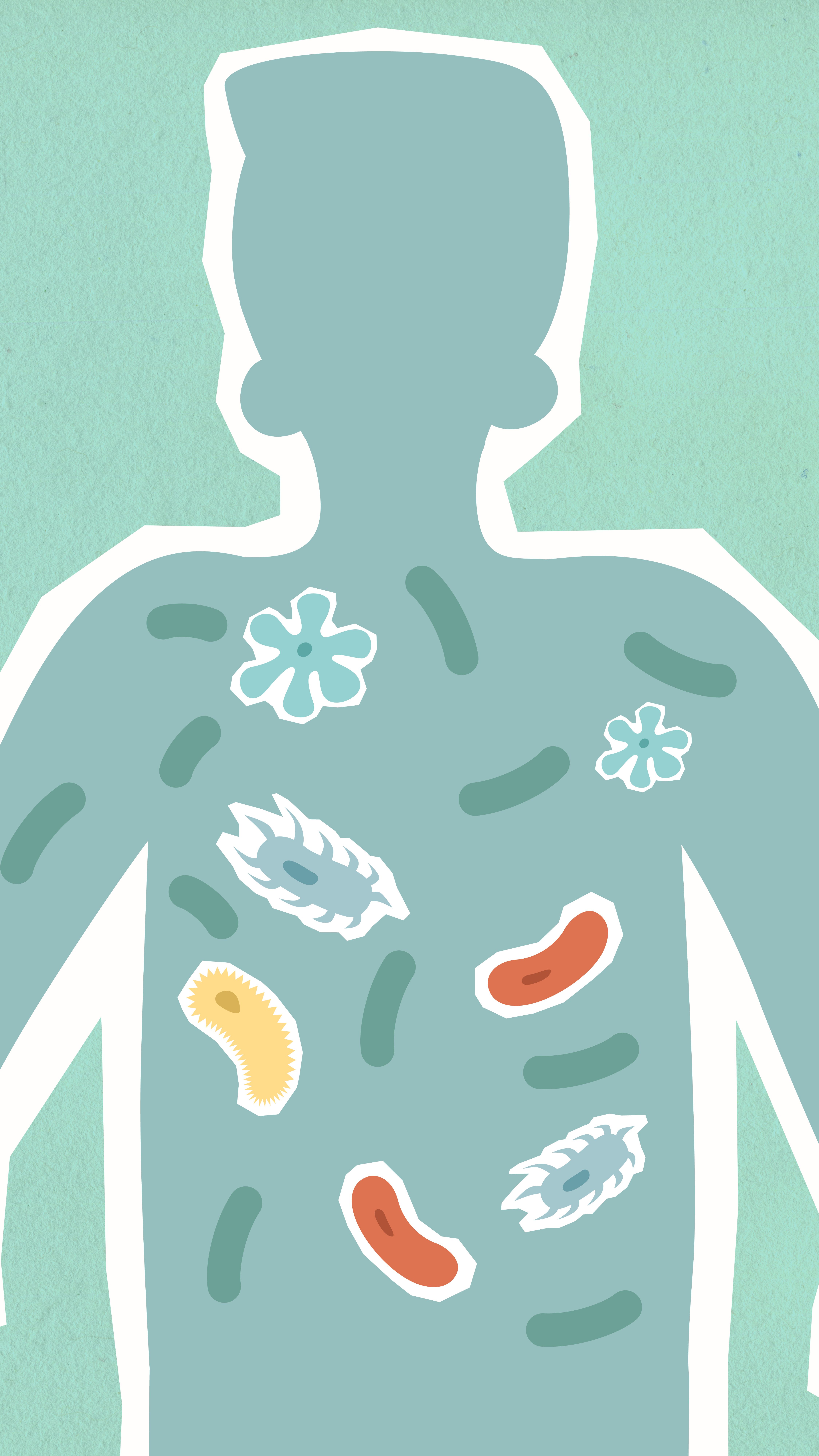
A large share of your child's immune system — most estimates put it at 70 to 80 percent — is housed in the gut. That's why we treat gut health and immune resilience as two sides of the same coin. A well-fed, diverse microbiome doesn't just help with digestion; it trains immune cells to respond appropriately, neither overreacting nor missing real threats. Supporting the gut is one of the most effective things you can do to help your child get sick less often and bounce back faster when they do.
The Four Foundations
Before you think about supplements, these four daily habits do the heavy lifting.
- Nutrition is one of the simplest levers. Building meals around colorful, seasonal produce gives your child a broad range of plant nutrients, and a small daily serving of fermented foods like greek yogurt, kefir, sauerkraut, or miso helps feed a healthy microbiome. Leaning on protein, healthy fats, and fiber while keeping added sugar and ultra-processed snacks to a minimum matters too; a single high-sugar treat can measurably blunt immune defenses for several hours. If your child tends to make a lot of mucus, it's also worth trying a two- to three-week dairy reduction to see if it makes a difference.
- Sleep is when the body does its repair work. Preschoolers generally need 10 to 13 hours, school-age kids 9 to 12, and teens 8 to 10, including naps where they still apply. Dimming lights and stepping away from screens about an hour before bed, paired with a calm and predictable routine, makes a real difference. A warm Epsom-salt bath or a cup of chamomile or lemon-balm tea can help an overstimulated kid wind down.
- Movement, sunshine, and time outdoors round out the physical side. Even 20 minutes of active play boosts circulation and immune cell activity, and daily outdoor time supports vitamin D levels while lowering stress hormones.
- Finally, don't underestimate mind-body calm. Chronic stress raises cortisol, which works against immune function, even in kids. A few minutes of daily gratitude, breathing, or quiet connected time with a caregiver genuinely helps, brief daily practices like this have been shown to measurably raise immune markers.
A Simple Daily Plan for Cold and Flu Season
Once those foundations are in place, a few targeted supports can round things out for fall and winter. We think about these as food-first with supplementation layered on top, not the other way around. Always consult your Care Team to determine the appropriate dosage for your child based on their age and weight.
- Vitamin D — One of the most important immune vitamins, especially in fall and winter when sunlight is scarce. Taken daily and dosed to your child's level, it works best when it's consistent rather than occasional.
- Vitamin C — Strengthens immune cells and can help ease cough symptoms during a cold. We like to get this through food first with a supplement added if your clinician advises it. Our favorite sources included peppers, kiwi, citrus, and broccoli.
- Zinc — Helps stop viruses from replicating and supports healing of the mucosal linings that are often a virus's point of entry. Food sources like meat and pumpkin seeds cover a lot of ground; a short course of a supplement can help during higher-exposure stretches.
- Probiotic + fermented foods — Since 70 to 80 percent of immunity lives in the gut, a daily multi-strain probiotic alongside fermented foods keeps reinforcing that foundation all season.
- Elderberry syrup — Has a long history of use for reducing viral activity, typically given as a daily age-based dose (roughly ¼ teaspoon for ages 1–2, up to 1 teaspoon for age 6 and up).
- Colorful produce + hydration — The simplest daily habit on this list, and still one of the most powerful. Phytonutrients and fluids do a lot of quiet work for immune defense.
If Your Child Does Get Sick Anyway
Even with all of this in place, kids get sick and that's normal. What matters most is acting in the first 24 to 48 hours, since that's when you have the most leverage to keep a cold from settling in.
- On the first day, we typically increase vitamin C and zinc, and consider adding an echinacea-and-elderberry combination (echinacea is best skipped for kids with autoimmune conditions unless your clinician gives the go-ahead).
- A symptom-matched remedy can help too — Umcka (Pelargonium) for congestion and cough, or Oscillococcinum for flu-like aches.
- Hydration matters as much as any remedy; a simple DIY electrolyte drink of 6 oz water, 2 tablespoons lemon juice, ½ teaspoon baking soda, a pinch of salt, and honey to taste (honey only for ages 1 and up) works well.
- From day two through five, we lean on continued herbal support plus garlic — either a garlic syrup or a clove steeped in hot water with honey — along with bone broth and vegetable broths. Chicken soup isn't just comfort food; it genuinely helps thin mucus and calm inflammation. Rest and steam matter here too: a few drops of eucalyptus on a washcloth in a hot shower can ease congestion.
- For specific symptoms, a few comfort measures tend to help most:
- A warm salt-and-sage tea gargle, raw honey, or a slippery-elm lozenge (age 3 and up) for a sore throat
- Raw honey (age 1 and up), a chest rub, or steam inhalation for a cough
- Saline or xylitol nasal spray, hydration, and warm broths for a stuffy nose
- For ear discomfort, an herbal garlic-and-mullein ear oil only if the eardrum is intact and your clinician has confirmed it's appropriate.
The Bigger Picture
None of this requires perfection, and it isn't about eliminating every treat or never missing a bedtime. It's about stacking the daily habits that make the biggest difference — good food, real sleep, time outside, and a little calm and then layering in targeted support where it counts. Start now, a few weeks before sick season is in full swing, and your child's immune system will have a real head start.
If you want help tailoring any of this to your child specifically, from probiotic strains to supplement dosing, that's exactly what the Lanby Care Team is here for.
Book a complimentary discovery call to learn more about Pediatric Care at The Lanby.

Book a complimentary Discovery Call to learn about our membership, discover how your dedicated care team will support you, get your questions answered, and see if The Lanby is the right fit for you.