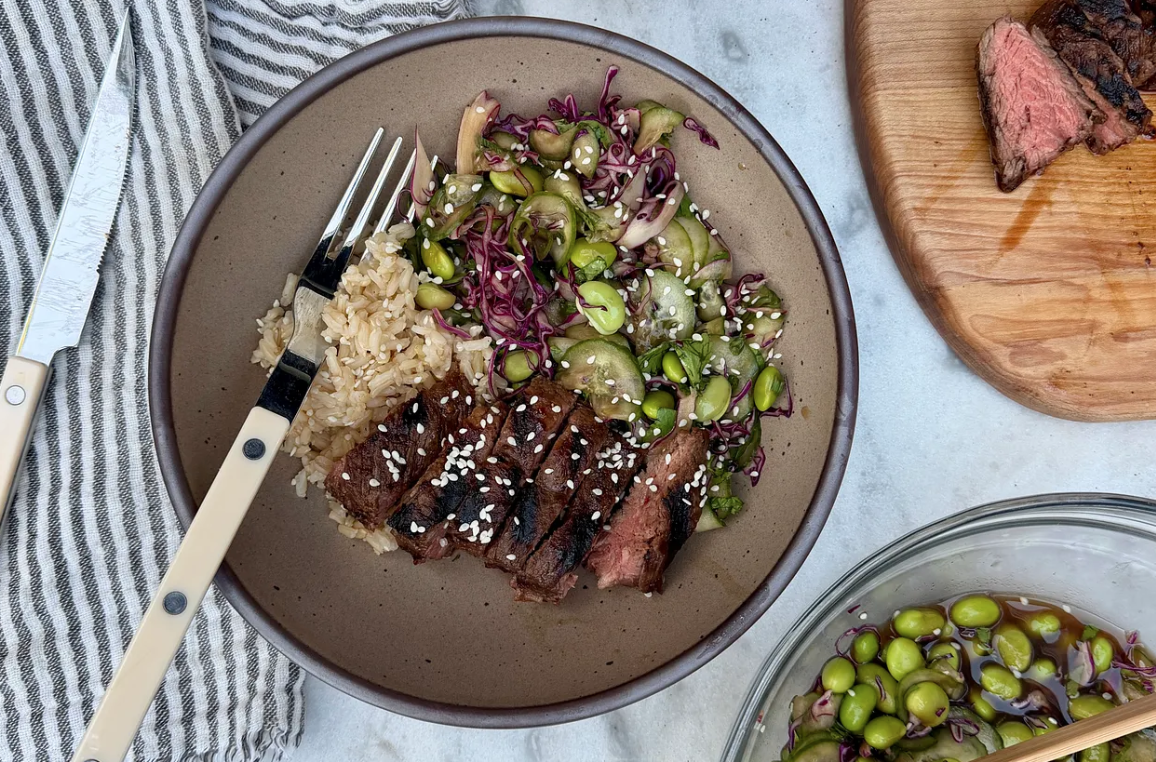
The Gut Health Hack That's Easier Than You Think
A small shift with big benefits. Discover how resistant starches can help support a healthier gut, more stable blood sugar, and better metabolic health.

Primary care, functional medicine, and wellness. All under one roof. We're built for your best not your baseline.
Learn MoreWhen most people think about improving their gut health or stabilizing their blood sugar, they assume it requires a complete dietary overhaul.
More supplements. More restrictions. More rules.
But some of the most impactful changes are surprisingly simple.
One of our favorite nutrition strategies at The Lanby is incorporating resistant starches into your routine—a small adjustment that can support both gut and metabolic health without requiring you to give up the foods you love.
What Is Resistant Starch?
Resistant starch is a type of carbohydrate that "resists" digestion in the small intestine. Instead of being broken down and absorbed like most carbohydrates, it travels to the colon where it acts as a prebiotic fiber, feeding beneficial gut bacteria.
The result?
A simple food can suddenly become a powerful tool for supporting your microbiome.
One of the easiest ways to create resistant starch is by cooking certain carbohydrate-rich foods and then allowing them to cool before eating them.
Foods that work well include:
- Potatoes
- Sweet potatoes
- White rice
- Brown rice
- Oats
- Quinoa
- Pasta
- Barley
When these foods cool, some of their digestible starch converts into resistant starch through a process called retrogradation.
Translation: the same food can have different effects on your body depending on how it's prepared.
Why We Love Resistant Starch
Better Gut Health
Resistant starch serves as fuel for beneficial bacteria in the gut. As these bacteria ferment the resistant starch, they produce short-chain fatty acids, including butyrate, which plays an important role in maintaining the health and integrity of the gut lining.
A healthier microbiome can influence everything from digestion and immune function to inflammation and overall well-being.
Improved Blood Sugar Response
Because resistant starch is digested more slowly, it can help reduce the blood sugar spike that often follows carbohydrate-heavy meals.
This makes it a valuable strategy for individuals looking to support:
- Blood sugar balance
- Metabolic health
- Energy levels
- Weight management
- Long-term health optimization
More Satisfaction After Meals
Many people find that meals containing resistant starches help them stay fuller for longer and experience fewer energy crashes throughout the day.
How to Prep Resistant Starches for the Week
One of the easiest ways to make resistant starch part of your routine is to build it into your weekly meal prep.
Here's a simple example:
Sunday Prep
Cook:
- 4-6 cups of rice or quinoa
- A tray of roasted potatoes or sweet potatoes
- Overnight oats for the week
Allow everything to cool completely before storing in the refrigerator.
Once cooled, these foods will contain higher levels of resistant starch and can be enjoyed throughout the week.
Easy Ways to Use Them
Breakfast
Overnight Oats with Berries and Chia Seeds
A gut-friendly breakfast rich in fiber, antioxidants, and resistant starch.
Lunch
Salmon Grain Bowl
Use chilled quinoa or brown rice as the base and top with salmon, avocado, cucumber, greens, and olive oil.
Afternoon Snack
Potato Salad Reinvented
Combine cooled potatoes with olive oil, herbs, Dijon mustard, and chopped vegetables for a satisfying snack or side dish.
Dinner
Mediterranean Rice Bowl
Start with cooled rice and add grilled chicken, roasted vegetables, hummus, and fresh herbs.
Next-Day Leftovers
The good news? Resistant starch remains present even when these foods are gently reheated, making leftovers another easy opportunity to support gut and metabolic health.
Health Doesn't Have to Be Complicated
We're often told that optimizing our health requires dramatic changes.
More often than not, it doesn't.
Sometimes it's as simple as cooking your rice on Sunday instead of Monday. Or letting your potatoes cool before adding them to dinner.
Small shifts. Better data. Personalized guidance.
That's how meaningful health transformation happens.
At The Lanby, our team of physicians, registered dietitians, nurse practitioners, and member advocates work together to help you uncover the changes that will have the greatest impact on your health and create a plan you can actually stick to.
Because feeling your best isn't about following every wellness trend.
It's about finding what works for you.

Book a complimentary Discovery Call to learn about our membership, discover how your dedicated care team will support you, get your questions answered, and see if The Lanby is the right fit for you.