Why Eating Seasonally Is Worth It (And How to Actually Do It)
Eating seasonally is one of the simplest and most affordable ways to improve your diet. Learn why it matters and how to make it part of your routine.
Primary care, functional medicine, and wellness. All under one roof. We're built for your best not your baseline.
Learn MoreSeasonal eating sounds like a farmers market trend, something reserved for weekends with tote bags and extra time. But eating with the seasons is one of the simplest, most affordable ways to upgrade your diet, and you don't need to step outside a regular grocery store to do it.
What makes seasonal produce different?
When fruits and vegetables are harvested at peak ripeness, they're at their nutritional best. Produce that travels long distances or sits in cold storage loses nutrients over time so the tomato that ripened on the vine this week genuinely is better for you than one shipped from halfway across the world in January. It tastes better, too.
Seasonal eating is also easier on your wallet.
When supply is high, prices drop. Out-of-season produce costs more because it's scarcer and more expensive to transport. Choosing what's in season is one of the easiest ways to eat well without spending more.
You don't need a farmers market
A common misconception is that seasonal eating requires access to a specialty market. It doesn't. Most grocery stores carry seasonal produce and often feature it at lower prices, you just need to know what to look for. Tools like the Seasonal Food Guide let you search by location and month, so you can check what's at peak before you build your shopping list.
That said, farmers markets are worth exploring if you have one nearby.
Produce is picked closer to harvest, which means better flavor and more nutrients. Shopping there also puts money directly into local farms and strengthens your regional food system.
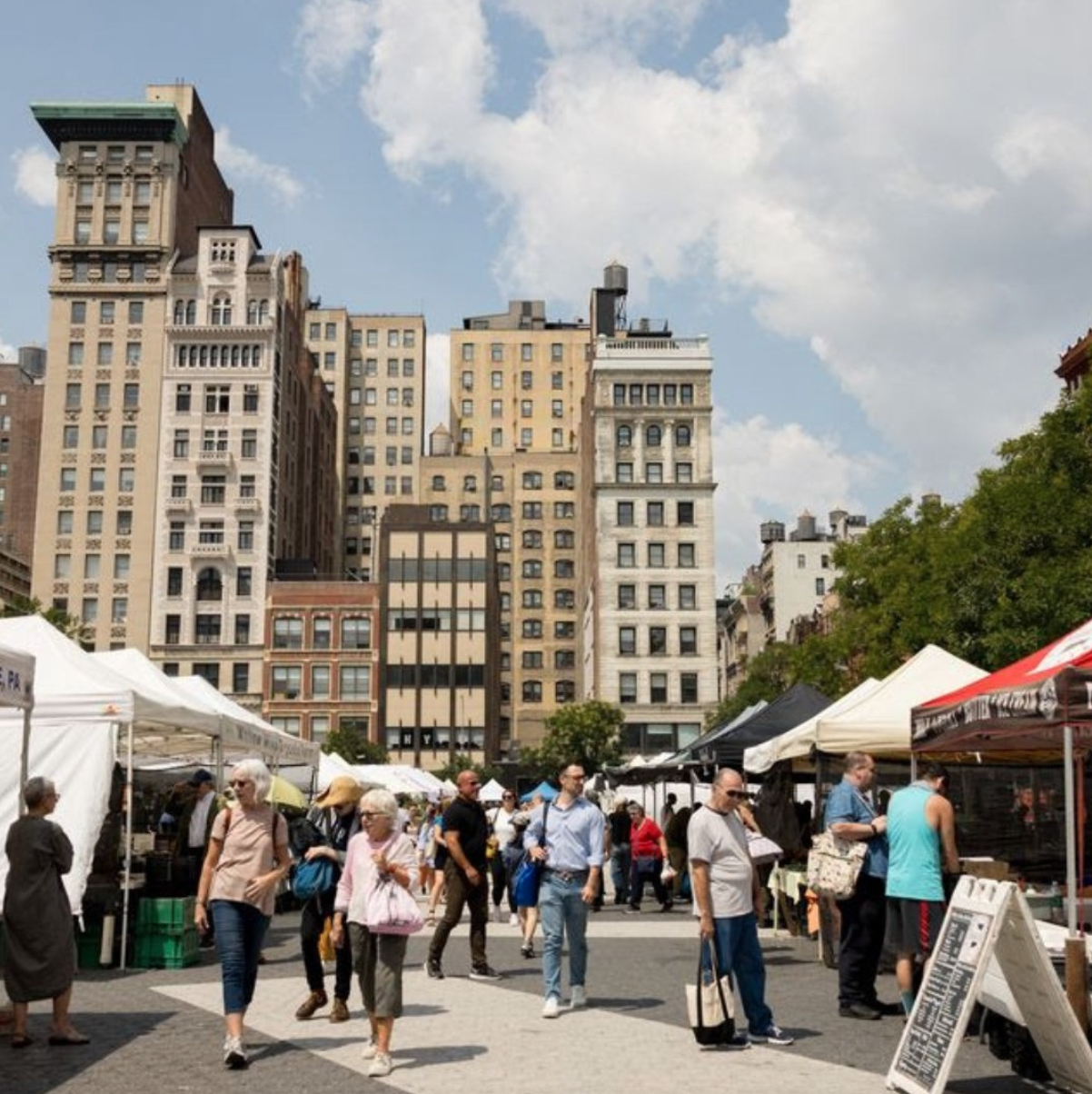
In New York City, GrowNYC Greenmarkets operates over 50 markets across all five boroughs, year-round. A few well-known ones to start with: Union Square (open year-round, four days a week), Grand Army Plaza in Brooklyn, and the 79th Street market on the Upper West Side.
If you can't make it to a market, Farm to People is another great option for NYC residents. They deliver farm-fresh, seasonal produce directly to your door, sourced from local and regional farms so you get the same quality you'd find at a farmers market without leaving home.
Whether you shop at a farmers market, order delivery, or visit your neighborhood grocery store, the first step is the same: know what's in season. Once you do, the rest follows naturally.

Book a complimentary Discovery Call to learn about our membership, discover how your dedicated care team will support you, get your questions answered, and see if The Lanby is the right fit for you.