Summer Hydration: What to Drink, When & Why
Everything you need to know to stay hydrated this summer.
Primary care, functional medicine, and wellness. All under one roof. We're built for your best not your baseline.
Learn MoreSummer heat doesn't just make you uncomfortable, it actively accelerates fluid loss through sweat, making intentional hydration one of the most impactful things you can do for your energy, performance, and overall wellbeing. Here's everything you need to know about staying optimally hydrated this season.
Still vs. Sparkling Water: Does Carbonation Affect Hydration?
Sparkling water has earned its place as a sophisticated, health-conscious alternative to sugary sodas and juices and for good reason. It's typically calorie-free, and the effervescence delivers a satisfying mouthfeel that genuinely rivals soda.
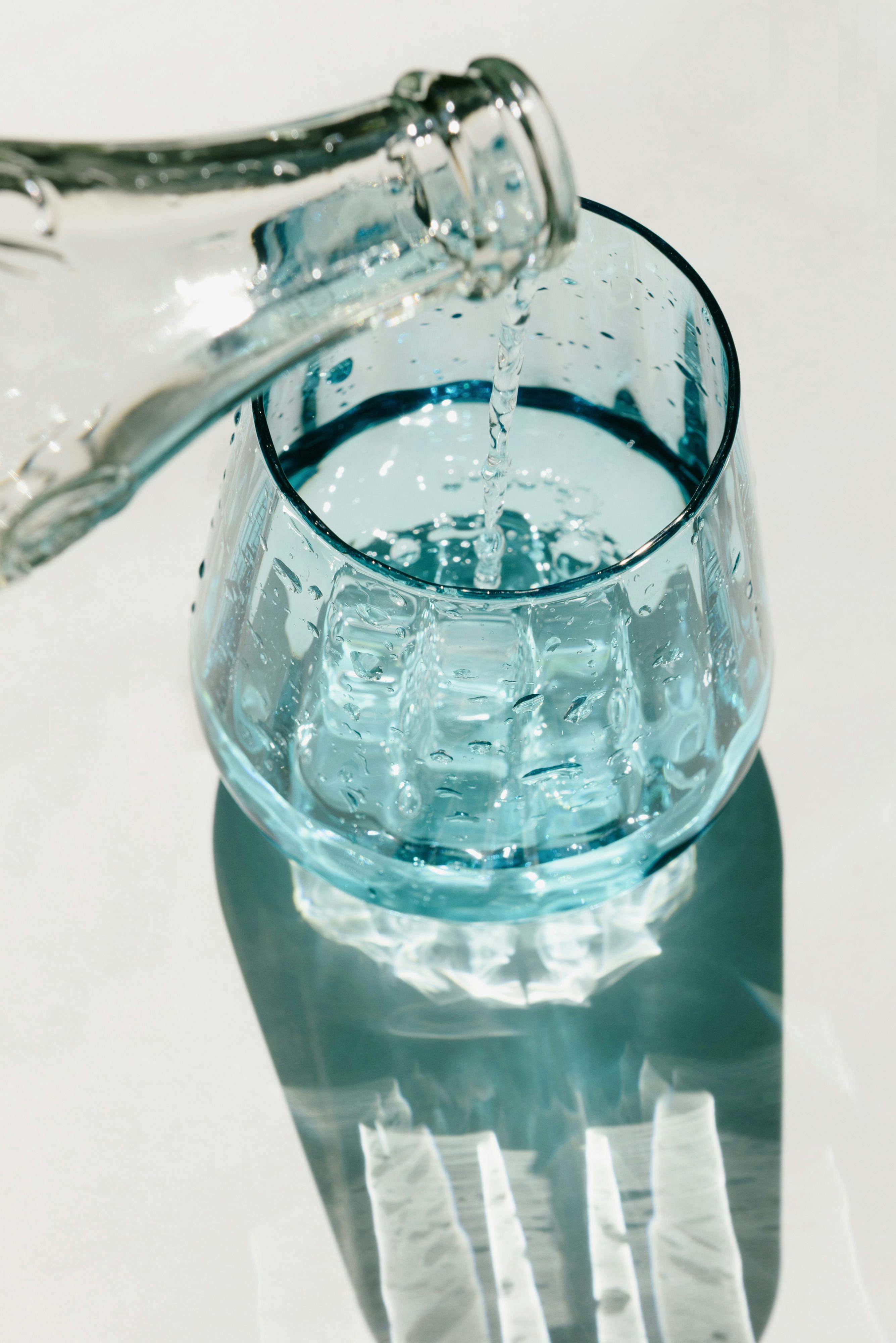
Carbonation occurs when carbon dioxide is dissolved into water under pressure, forming carbonic acid, an unstable compound that releases its bubbles (and goes flat) once the pressure drops. But here's what matters most: current research shows no meaningful difference between still and sparkling water when it comes to hydration. Both hydrate equally well.
That said, during exercise or intense physical activity, still water is often the more comfortable and practical choice. And as always, avoid anything with added sugar. We love Spindift.
Do Coffee, Tea, and Matcha Count Toward Hydration?
Yes, with nuance. Caffeinated beverages like green tea, matcha, and coffee do contribute to your daily fluid intake. While caffeine has a mild diuretic effect, research consistently shows that the fluid content of these drinks outweighs any associated fluid loss, making them net-positive for hydration.
They're not your most hydrating option, but they're far from detrimental. Think of them as a complement to water, not a replacement. A simple and effective habit: drink 8 oz of water before or after your morning coffee or matcha to maintain steady hydration throughout the day.
One important note: the FDA recommends capping caffeine at 400 mg per day for most healthy adults.
Practical Hydration Strategies for Hot, Humid Summers
As temperatures climb, fluid losses increase significantly. The key is building consistent hydration habits, not scrambling to catch up when you're already thirsty. Here's how to do it across different beverage categories:
Coffee, Tea & Matcha
Enjoy your daily ritual, just pair it with water. Drink 8 oz before or after your caffeinated beverage to set a strong hydration foundation from the start of the day.
Smoothies
A well-built smoothie is one of the most hydrating and nutrient-dense choices you can make. Fruits and vegetables contribute water, vitamins, and minerals that support both hydration and electrolyte balance. Add quality protein and healthy fats to make it a complete, nourishing option. Learn how to make a smoothie that isn’t going to spike your blood sugar here.
Green Juice
Green juices are frequently marketed as a shortcut to better health, but approach them with a discerning eye. Many commercial versions are high in sugar and stripped of fiber, since the juicing process removes the pulp where most of the gut-supportive, blood sugar-stabilizing fiber lives.
That said, water-rich ingredients like cucumber and celery do contribute meaningfully to hydration. If you enjoy green juice, choose options with no added sugar and, when possible, opt for cold-pressed varieties that retain some pulp. Think of it as a supplement to your diet, not a centerpiece.
Electrolyte Packets & Sports Drinks
During high-intensity exercise or extended periods of sweating, replenishing electrolytes, particularly sodium, is genuinely beneficial. Not all electrolyte products are created equal, though.
For most workouts: A no-sugar electrolyte packet (such as LMNT) is sufficient for post-workout replenishment without unnecessary calories.
For endurance activity (long-distance running, cycling, soccer, basketball lasting 60+ minutes): A carbohydrate-containing sports drink or natural option like coconut water (Harmless Harvest is a clean, reliable choice) is more appropriate. In these situations, your body needs both electrolytes and glucose to sustain performance and support recovery.
A word on EAAs and BCAAs: Many electrolyte products now include essential amino acids (EAAs) or branched-chain amino acids (BCAAs). While these are the building blocks of muscle and do play a role in repair and growth, current research does not show significant added benefit from supplementing with them in people who already consume adequate protein. For most active individuals, a quality electrolyte packet paired with a high-protein post-workout meal, think meat, poultry, fish, eggs, dairy, or soy is both more effective and more cost-efficient.
How Much Water Do You Actually Need?
A reliable starting point: drink half your body weight in ounces per day. If you weigh 150 lbs, aim for 75 oz, roughly 9.5 cups. Adjust upward based on heat, activity level, and sweat rate. Calculate your personal water needs here.
And remember: hydration doesn't have to come from water alone. Many beverages contribute meaningfully to your daily fluid intake. The goal is a varied, balanced approach, prioritizing low- or no-sugar options, staying consistent throughout the day, and listening to your body's signals.
In the summer months especially, don't wait until you're thirsty. Thirst is a lagging indicator, hydrate proactively, and your energy, skin, digestion, and performance will reflect it.

Book a complimentary Discovery Call to learn about our membership, discover how your dedicated care team will support you, get your questions answered, and see if The Lanby is the right fit for you.
.avif)