Your Longevity Action Plan: The Evidence-Based Guide to Thriving at Every Stage of Life
Here’s The Lanby’s Longevity Action Plan, built around three tiers of interventions, from foundational daily habits to advanced longevity optimization.
Primary care, functional medicine, and wellness. All under one roof. We're built for your best not your baseline.
Learn MoreWhen we talk about longevity, we’re not just talking about adding years to your life, we’re talking about adding life to your years. Living longer matters only if those extra years are spent with vitality, clarity, and independence.
That’s why your focus should be healthspan, the number of years you live free from chronic disease and disability.
The good news? The biggest drivers of healthspan aren’t mysterious. They’re habits and strategies you can start today, grounded in decades of research from fields like gerontology, exercise physiology, and metabolic science.
Here’s The Lanby’s Longevity Action Plan, built around three tiers of interventions, from foundational daily habits to advanced longevity optimization.
Tier 1: Core Habits
These are the non-negotiables. If you do nothing else for your longevity, start here.
Sleep
- Goal: 7–9 hours nightly
- Why it matters: Sleep is when your brain clears metabolic waste, your body repairs damaged tissues, and your hormones recalibrate. Chronic sleep deprivation is linked to insulin resistance, cardiovascular disease, and cognitive decline.
- How to optimize:
- Go to bed and wake up at the same time every day (yes, even on weekends).
- Keep your bedroom around 65°F, pitch-dark, and quiet.
- Avoid screens for 60 minutes before bed (the blue light suppresses melatonin).
- Morning sunlight within an hour of waking can help lock in a healthy circadian rhythm.
Stress
- Why it matters: Chronic stress elevates cortisol, which over time can drive inflammation, impair immunity, and erode cardiovascular health.
- Daily practices:
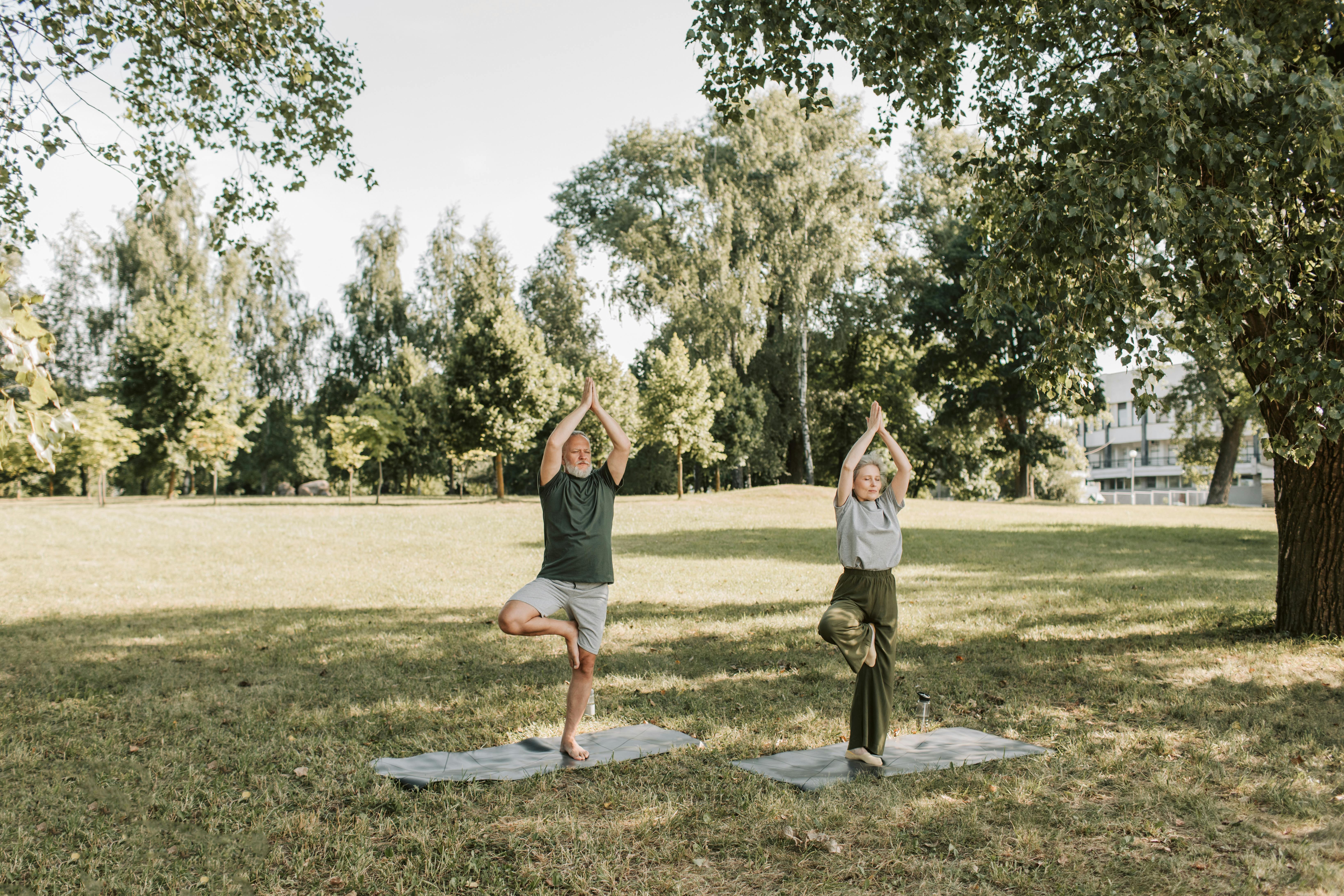
- Meditation, deep breathing, or progressive muscle relaxation
- Journaling to process thoughts and emotions
- Spending time in nature (just 20 minutes outdoors can lower cortisol)
- Protecting time for hobbies that immerse you in “flow”
Physical Activity
- Strength Training: 3–4x/week — preserves lean muscle and bone density, both of which decline with age.
- Zone 2 Cardio: 150–180 minutes/week (brisk walking, cycling, light jogging) — improves mitochondrial efficiency, which is key for endurance and metabolic health.
- HIIT: 1x/week — trains your cardiovascular system to respond to acute stress, boosts VO₂ max.
- Daily Movement: Aim for 8,000–10,000 steps/day; take the stairs, walk during calls, and avoid long periods of sitting.
Diet
- Build your plate: High-quality protein (1.6–2.2 g/kg body weight/day), healthy fats (olive oil, avocado, nuts), and fiber-rich complex carbs (lentils, quinoa, vegetables).
- Minimize ultra-processed foods and refined sugar to reduce inflammation and prevent blood sugar spikes.
Tier 2: Supporting Factors
Once your foundations are strong, these amplify your results.
Healthy Body Composition
- Focus on lean mass, not just scale weight.
- Track waist-to-height ratio — keep it under 0.5 for metabolic health.
Relationships & Purpose
- People with strong social ties live longer and have lower rates of dementia and depression.
- Nurture friendships, stay engaged with family, and seek work or activities that give you meaning.
Reduce Environmental Toxins
- Use glass or stainless steel for food and water storage to avoid plastic leaching.
- Swap synthetic-scented products for natural cleaners (we like Branch Basics).
- Cook with stainless steel, cast iron, or ceramic-coated pans instead of Teflon.
Tier 3: Deep Health
This is where you go beyond “feeling fine” to truly understanding your health data.
Metabolic Health
- Track fasting glucose, fasting insulin, and HbA1c (aim for the optimal, not just “normal,” range).
- Avoid frequent large glucose spikes. Using a continuous glucose monitor (CGM) can be a powerful learning tool.
Cardiovascular Function
- Go beyond standard cholesterol panels. ApoB and Lp(a) are better predictors of cardiovascular risk than LDL alone.
Key Labs (every 6–12 months)
- Hormones: Testosterone, estradiol, SHBG, cortisol
- Metabolic: Fasting insulin, HbA1c, glucose
- Cardiovascular: LDL-C, HDL-C, ApoB, Lp(a)
- Micronutrients: Vitamin D, zinc, magnesium, B12
- Inflammation: hs-CRP, uric acid
- Toxins: Heavy metals (lead, mercury)
Our Wellness Advisor’s Pro Tips
- Take Creatine: Supports muscle mass and may improve brain function.
- Use a CGM: Learn how your diet truly impacts blood sugar.
- Utilize morning sunlight: Boosts mood, supports hormone balance, and improves sleep quality.
- Limit alcohol: Even small amounts can affect metabolic health.
- Stay hydrated & eat mindfully: Supports digestion, nutrient absorption, and energy stability.
Bottom line
Longevity isn’t built through quick fixes. It’s built through daily, intentional actions that compound over years. When you combine foundational habits, supportive lifestyle factors, and targeted health tracking, you’re not just living longer — you’re living better.

Book a complimentary Discovery Call to learn about our membership, discover how your dedicated care team will support you, get your questions answered, and see if The Lanby is the right fit for you.