5 Things to Keep on Your Desk When You Return from Maternity Leave
5 desk essentials for returning to work after maternity leave — support your recovery, energy, and hydration while navigating this demanding transition.

Primary care, functional medicine, and wellness. All under one roof. We're built for your best not your baseline.
Learn MoreReturning to work after maternity leave is more than a schedule shift. It's a physiological transition.
Your body is still recovering from pregnancy and delivery, you're rebuilding your nutrient stores, and if you're breastfeeding, your energy and hydration needs are significantly higher than you might realize. Research consistently shows that the postpartum period is one of the most nutritionally and metabolically demanding phases of life, and it can last up to two years after giving birth.
Here are five things worth keeping on your desk to make the transition a little easier:
1. A Glass Water Bottle
Hydration has a direct impact on energy, cognitive function, and mood, and all three can feel noticeably off postpartum. Breastfeeding alone can increase your fluid needs by around 700 mL per day, and even mild dehydration has been shown to affect concentration and make fatigue worse.
A glass option like the Bink Made Water Bottle keeps hydration visible and accessible, two things that are actually associated with drinking more throughout the day.
Why it matters:
- Supports milk production
- Helps reduce fatigue and headaches
- Improves focus and cognitive performance
2. Electrolyte Packets
Water alone isn't always enough, especially postpartum. Electrolytes like sodium and potassium regulate fluid balance and help your body actually absorb what you're drinking. Products like LMNT Electrolyte Packets can help restore that balance quickly. Research shows that sodium-containing fluids improve fluid retention and rehydration more effectively than plain water.
When they’re most helpful:
- Midday energy dips
- After pumping or breastfeeding
- If you’re feeling lightheaded or fatigued
3. Nourishing, Grab-and-Go Snacks
Limiting calories per day, and underfueling shows up fast as fatigue, mood swings, and even a dip in milk supply.
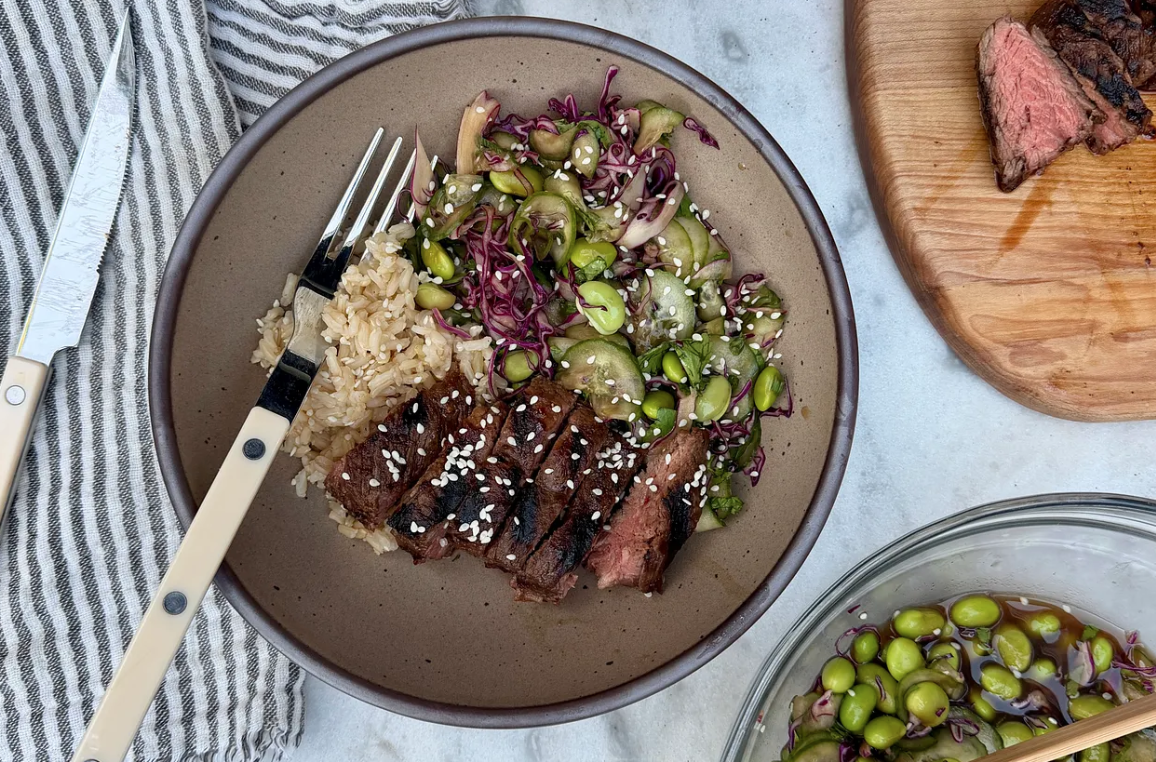
Stable blood sugar matters a lot here. Research shows that pairing protein with fat leads to more sustained energy and fewer crashes than reaching for quick carbs. Keeping something that’s both convenient and nutrient-dense like Mamala Organics on hand makes it easy to eat consistently without overthinking.
What actually works:
- Pair protein and fiber together for satiety and steady energy
- Eating every 3 to 4 hours to support blood sugar
- Minimizing long gaps between meals
4. Your Prenatal Vitamin
Nutrient depletion doesn't stop at delivery. In a lot of ways, that's when replenishment becomes most critical. Iron, iodine, choline, DHA, and B vitamins are commonly low postpartum, especially if you experienced blood loss during delivery or are breastfeeding. The American College of Obstetricians and Gynecologists recommends continuing your prenatal supplement through the postpartum period (~1 year postpartum) and while lactating for exactly this reason.
Why it matters:
- Supports energy and recovery
- Replenishes depleted nutrient stores
- Supports infant development if breastfeeding
5. A Walking Pad
Exercise doesn't have to be intense to make a difference, especially postpartum. Research on non-exercise activity thermogenesis (NEAT), basically the energy burned through everyday movement, shows that light activity like walking can meaningfully improve energy, metabolic health, and mood. For postpartum women specifically, gentle movement is also linked to better circulation, less fatigue, and improved mental health.
A walking pad makes that realistic on a busy workday.
Think:
- 10-20 minutes of walking between meetings
- Light movement during calls
- Breaking up long periods of sitting
Returning to work doesn't mean postpartum recovery is over. It's just a new phase of it. Your body is still rebuilding and recalibrating, and it's still asking for support. The most effective approach isn't doing more, it's making the basics easier: staying hydrated, eating consistently, and fitting in movement where you can. Small things, done consistently, are what actually move the needle.

Book a complimentary Discovery Call to learn about our membership, discover how your dedicated care team will support you, get your questions answered, and see if The Lanby is the right fit for you.