What You Need to Know About Lead in Protein Powders
Consumer Reports found lead in most protein powders tested. Learn how heavy metals get in, and which brands are actually safe.
Primary care, functional medicine, and wellness. All under one roof. We're built for your best not your baseline.
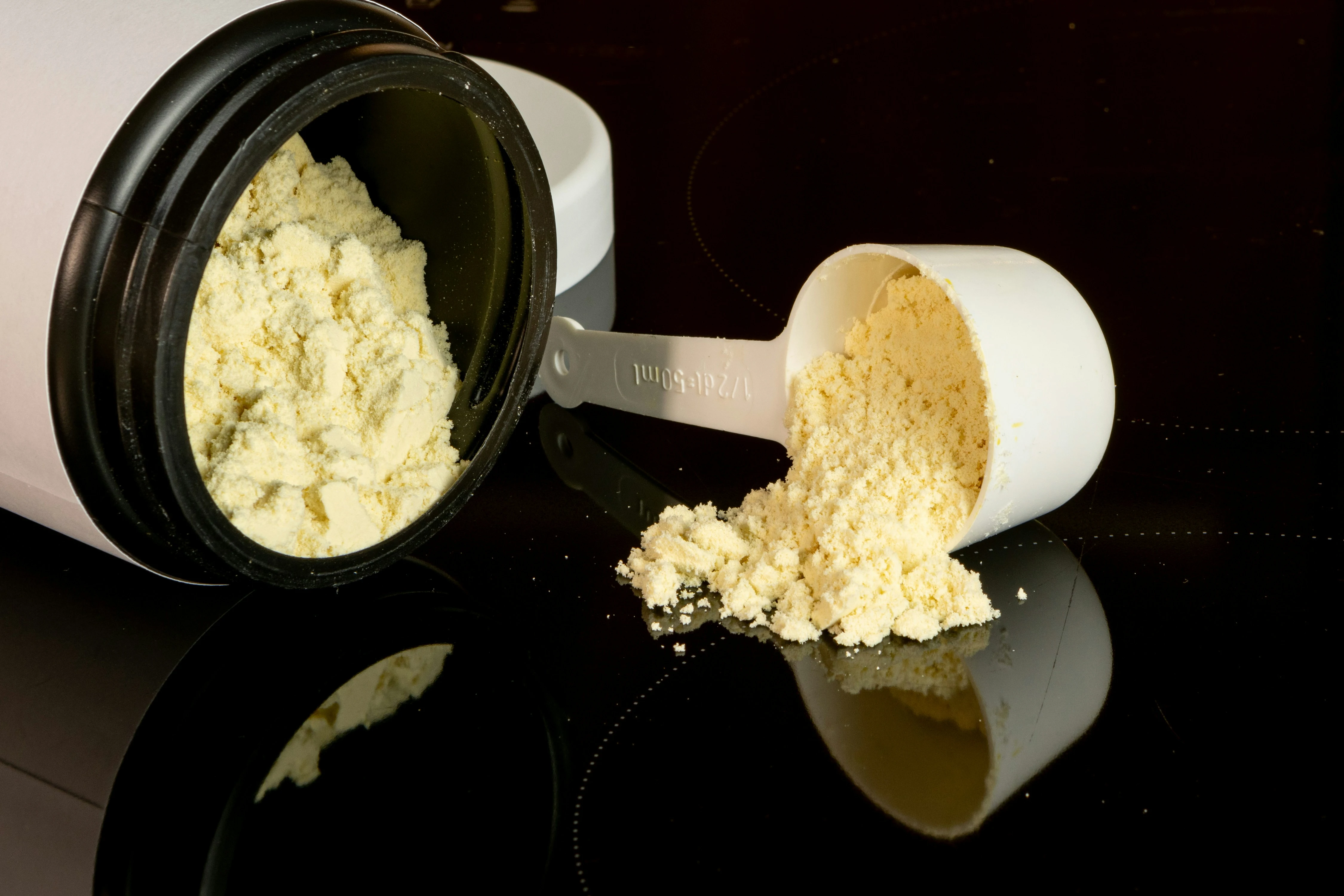
Learn MoreConsumer Reports released an investigation that quickly became a hot topic. They tested 23 popular protein powders, mass gainers, and shakes, from whey and beef to plant-based options. The results were concerning: more than two-thirds contained detectable lead in a single serving, and several exceeded California’s Prop 65 threshold for reproductive safety.
For anyone using protein powder daily, this is alarming. Heavy metals accumulate in the body over time, making consistent exposure riskier than occasional consumption. So how does lead even get into protein powders—and which products are actually safe?
How Lead Gets Into Protein Powders
Heavy metals like lead, cadmium, and arsenic enter our food supply through environmental contamination. Crops absorb them from soil and water, and legumes, grains, and seeds (like pea, rice, and hemp) are especially good at pulling up minerals—and unfortunately, metals. Cocoa is another culprit, as cacao plants readily absorb lead and cadmium, which explains why chocolate-flavored plant proteins often test higher than vanilla.
But contamination doesn’t stop at the farm. Manufacturing quality control plays a huge role. Brands that don’t rigorously screen raw ingredients or batch-test every production run can easily let metals slip through. Most supplement recalls or negative headlines trace back to lapses at this stage.
Why Lead Matters
There is no safe level of lead exposure. Even tiny amounts build up in the body, potentially affecting neurological, cardiovascular, and reproductive health.
- 0.5 µg/day – Consumer Reports “level of concern”
- 2.2 µg/day – FDA limit for children
- 8.8 µg/day – FDA limit for adults
Third-party certifications—NSF Certified for Sport, Informed Choice, USP Verified—are the best way to reduce risk. While certification doesn’t guarantee a product is completely free of metals, it indicates rigorous testing and transparency.
How to Make a Safe Choice
- Check for batch-specific testing. Look for a Certificate of Analysis (COA) on the brand’s website or request it directly. Make sure it includes heavy metals per serving, not just per container.
- Buy from trusted sources. Always purchase directly from the brand or authorized retailers. Random third-party marketplaces sometimes mix lots or repackage returns, which can invalidate COAs.
- Understand testing layers. Top-tier brands manage three critical stages:
- Raw ingredient auditing: All incoming materials screened for metals and contaminants.
- In-house testing: Ingredients retested during production for metals, microbes, and allergens.
- Third-party testing: Finished products tested in ISO-accredited labs, with results publicly available or provided on request.
When all three layers are in place, risk drops dramatically.
My Shortlist of Safer Protein Powders
- Be Well by Kelly: Grass-fed beef protein isolate (or chocolate plant-based). Third-party batch testing via Micro Quality Labs, COAs available on request. Unflavored and vanilla versions generally have lower metal levels than chocolate.
- Promix Whey Protein: Every batch tested by third-party labs, results published online. Sourced from grass-fed cows, with vanilla and unflavored powders consistently below Prop 65 thresholds.
- Truvani Vanilla Protein: Passed independent ConsumerLab heavy metal tests. However, batch-specific COAs are not publicly available, which leaves a transparency gap.
Bottom Line
This isn’t a reason to panic, but it is a reason to be proactive. Heavy metal contamination in supplements isn’t new—it’s just getting attention. The smartest move is to choose brands that prioritize transparency and safety, making rigorous testing part of their product story rather than an afterthought.

Book a complimentary Discovery Call to learn about our membership, discover how your dedicated care team will support you, get your questions answered, and see if The Lanby is the right fit for you.
.avif)